Revenge
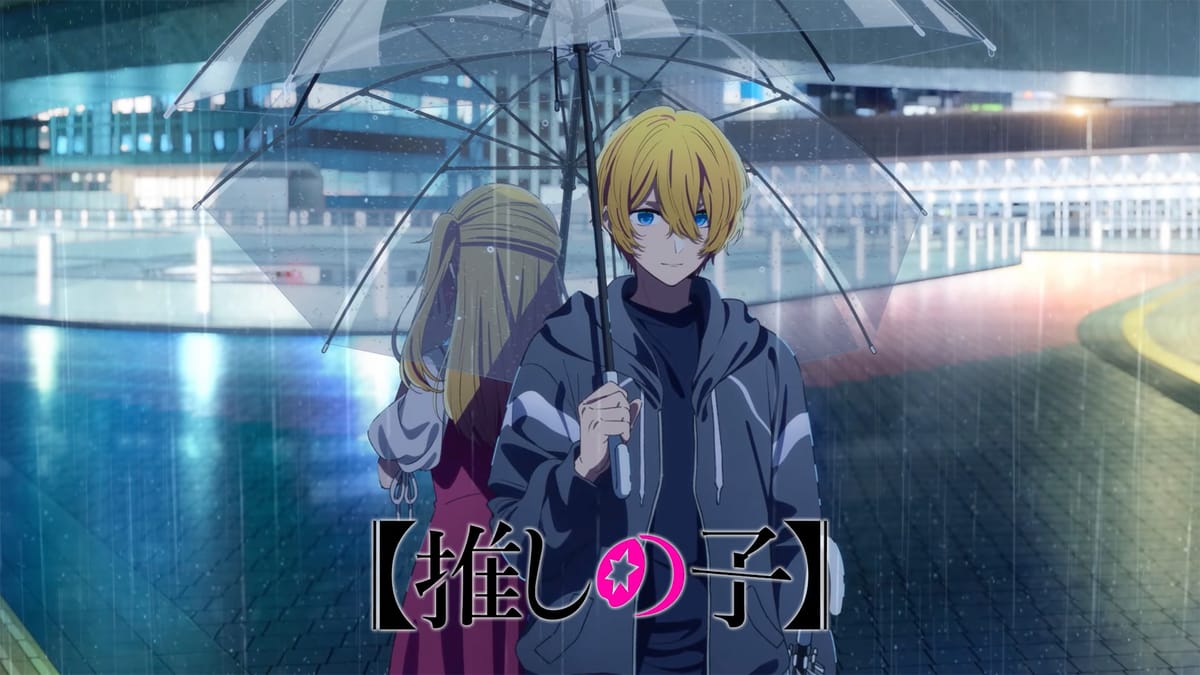
People get what they deserve, it is the supposed law of society that wrong-doers face the consequences of their actions. Many are led to believe that the world is fair and injustice is faced with morally justified punishments–that the world we live in is a just world. Some might label this as naivety, others might consider the ideology to be that of a powerless man. I for one, wouldn't necessarily disagree. With so many unaddressed problems occurring in the world, how can we say with such certainty that the world is fair? It's not.
The just-world is a fallacy.
Injustice
The life of an idol is a treacherous path where very few people reap the rewards. Idol trainees undergo intense training programs that often extend to 12+ hours a day oftentimes without pay. And after clearing all the mental and physical challenges associated with idol work, there are many cases where idols never debut or gain traction, leaving many members in debt. Suppose an idol does gain popularity, strict contracts regulate their work and personal life including bans on dating, weight management, and diet. In public they must smile. If they make mistakes, they are scrutinised. They forever live their lives pretending to be the perfect entity. As an outsider looking in, it is pure insanity.
Of course, not all fans are toxic, I understand that it is a very small minority. But today I am focusing on the extreme and what happens next. In 2016, singer and actress Mayu Tomita returned the gift she had received by a fan. A month later, she was stabbed multiple times at a concert venue where she would have been performing. Fortunately she survived the attack and the attacker faced imprisonment. This case prompted many changes including revisions to anti-stalking laws, stricter police response, legal accountability, and improved security at idol events. For Mayu, this was a terrifying moment in her life, to her, a fan had done the unthinkable. However, not all media coverage expressed the same thought. Some had criticised Mayu, with the belief that she shouldn't have returned the gift, that she was at fault. It is truly baffling. In a just world, we blame the victim.
Which brings me to my next point. What happens when injustice is not met with retribution? To a victim there are two options, acceptance, or revenge. There are many stories of revenge such as Shakespeare's Hamlet, Achilles in The Iliad, John Wick. In anime we have series like 91 Days, Akame ga Kill, and Cowboy Bebop. As much as we romanticise stories of revenge, these stories tell a truth: revenge is a never ending cycle of pain. Chinese philosopher Confucius is often cited with the saying "before you embark on a journey of revenge, dig two graves." To revenge is to self-destruct, his philosophy is that we should focus on forgiveness instead. But people aren't always so rational, especially when the pain is so intense.
In the real world, there is so much pain. Recently, there are people fighting in senseless wars, there are victims of violent crimes, and innocent lives are being lost to immigration enforcement in the United States. Now, it's never my intention to use my platform as a political voice. I am just an anime blog writer after all. That is not to say I don't empathise with people demanding justice. My point is this, if revenge is so unhealthy, why is there such a desire for it? This article will be exploring revenge in the context of popular manga and anime series Oshi no Ko.
This article contains major spoilers for the anime series Oshi no Ko.
Oshi no Ko
Oshi no Ko is not your typical showbiz anime. Underneath the flashing lights, song and dance, adorable characters, there is a darker story being told. It all begins with Aquamarine and Ruby Hoshino, the secret children of Ai Hoshino, a famous idol. Aqua and Ruby are Ai's biggest fans, and the truth is, they were also her biggest fans in their past lives. Reincarnated, they began fulfilling lives as Ai's children, nothing could have made them happier. But as we see it didn't last. Ai was tragically murdered by an enraged fan.
It's uncertain if this plot took any inspiration from real stalker cases, the author Aka Akasaka never made any public statement's expressing so. It is mostly unimportant whether or not the author took creative liberties, but it is undeniable that Ai's death bears a striking resemblance to cases such as the Mayu Tomita case. Oshi no Ko is more than just a revenge story. Her work strives to unravel the dark and exploitative truth about Japan's entertainment industry. So, what implications does Ai's death have for the progression of this story?
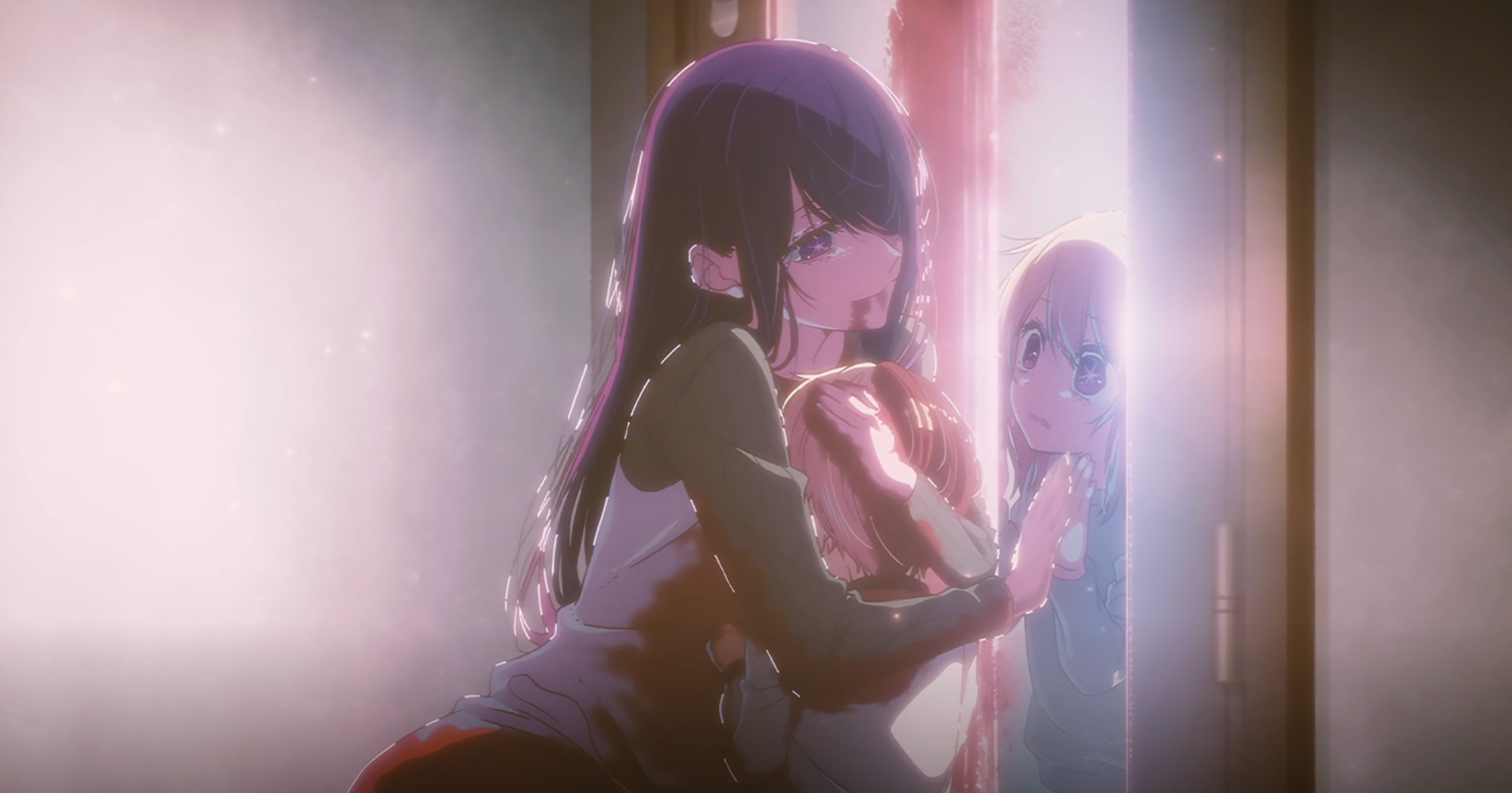
Ai was an incredibly influential icon in the entertainment industry. A generational talent. Her captivating aura lead B-Komachi to the top, she made many TV appearances, and was well received as a movie star. When she was murdered, the effects were widespread. B-Komachi disbanded and millions of fans mourned their loss, but even more than that, the effects were deeply rooted in both Aqua and Ruby. They wanted revenge. They loved Ai more than anything in the world, to lose her left an irreparable wound, a wound that not only influences their personality and actions, but also their relationships with other characters. It was previously stated that revenge is unhealthy, and we witness the effects following the story of Aqua and Ruby.
It's All My Fault
At the time of Ai's death, Aqua pledged to find his mother's murderer, and kill them himself. We find out that the fan that killed Ai, was not the mastermind and that the real killer was still out there. Aqua's guesswork led him to several conclusions: the killer had a close connection to Ai, must also work in showbiz, and ultimately must be his father–someone whose identity remains a secret. Tormented by this revelation, Aqua's entire personality takes a dark shift.
The story takes place fourteen years after Ai's death. To enact his revenge, Aqua began working in showbiz to figure out the identity of his father. Every action Aqua makes, is motivated by his need to revenge. In season one, we learn that Aqua spent four years trying to unlock the phone of Ai Hoshino, in hopes that it would give him any leads. In the phone he learnt of a few names. Aqua accepted an acting gig from a director whose name appeared in the phone, intending to gather a DNA sample and determine if they were related. Yielding no results, he accepts another job with anticipation of learning more information on Ai's potential lovers. With this endeavour, he learnt a critical piece of information–the acting company that hosted Ai's lover. Throughout season one, we understand this: Aqua's pursuit for revenge is preventing him from living his own life. He is not healing, Ai's death still weighs heavily on his conscience, and he is driven by only one purpose.
Season two gives us insight on the mental toll this pursuit is taking on Aqua as he performs in a stage play of a popular manga series. To improve his performance he's required to draw out the latent emotions of the character he is playing–emotional acting, something he's not capable of. His scene requires him to act relieved, happy, and tearful. Under advice, he tries to relive happy memories, hoping to channel those emotions into his acting. Yet his reminiscence resurfaced the memory of Ai's death, triggering a panic attack. In this moment we realise that Aqua blames himself for being unable to protect her. He has survivors guilt and post-traumatic stress disorder. Deep in his psyche there is a voice that forbids him from being happy and living a normal life.
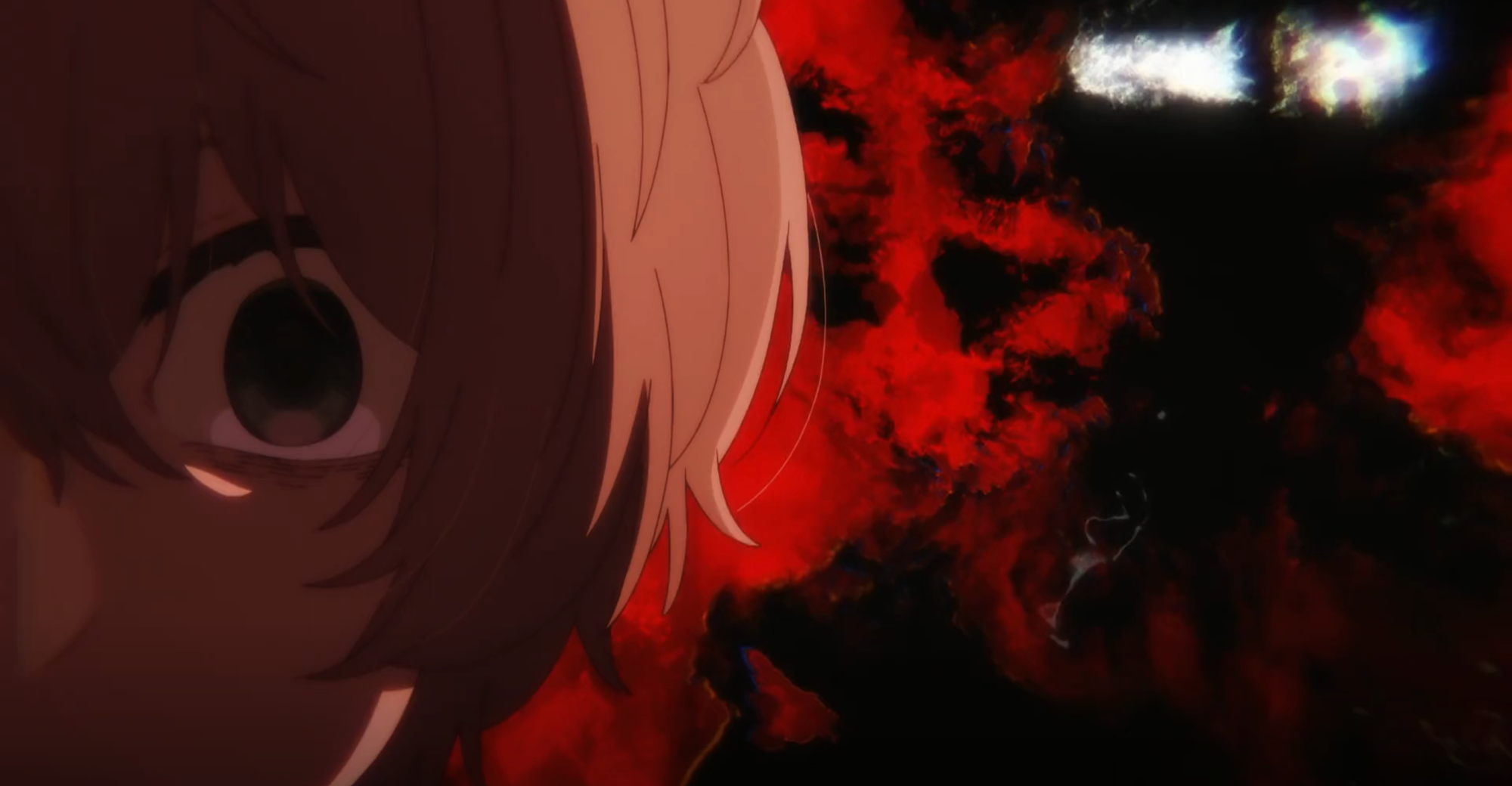
Survivors guilt is a psychological phenomenon and common symptom of PTSD. PTSD is commonly recognised by the re-experiencing of traumatic events, and includes symptoms such as: bad dreams or distressing memories, experiencing intense emotions, and having intense physical sensations [1]. All of these are symptoms we see in Aqua. Moreover, a response to survivors guilt is withdrawal from communities and personal relationships [2]. So, we know that Aqua suffers from this, but how does it relate to revenge? Truthfully there is little literature in psychology that explore this relationship, but one study did find that there is a correlation between revenge and PTSD, rumination can make symptoms worse, and the correlation is stronger as more time passes [3]. This is interesting because what it might suggest is that Aqua's desire for revenge inadvertently causes his PTSD to persist. Aqua has single-mindedly strived towards revenge and has ruminated about it for over a decade, this explains the strength of his symptoms.
Despite his persistent symptoms of PTSD, it is not entirely hopeless for Aqua, in fact, throughout season two and three we see that Aqua is capable of healing. After being led to believe that his father was already dead, we see a shift in his character. Aqua develops a more positive personality, he's dedicated to his career, committed to a relationship, and from what we know, he doesn't suffer from PTSD symptoms. This shows us when Aqua is focusing on healing instead of revenge, there is a multitude of positive outcomes.
Unfortunately, in the recent episodes we begin to see him relapse. It is unknown how this development will affect his character, but the best guess is that it will have negative consequences.
Personal Relationships
A recent development in Oshi no Ko is Ruby Hoshino's pursuit for revenge. At first, it seemed like she managed to adjust to the loss of Ai. However, learning about the death of her beloved doctor, catalysed her revenge story. She couldn't accept that the murderer had taken two of her most cherished people from her. Being a recent development, there is not enough known about her mental state for a full exploration, but Ruby's story does show us a glimpse on how revenge affects personal relationships.
At first, Ruby had a bubbly personality, she was positive, and extremely motivated to follow in her mothers shoes and become a successful idol. Following the discovery of the doctor's death, her character became darker. Currently, we see that she is more calculating, cunning, relentless, and that ever action is purposeful. She has an ulterior motive, and it is destructive. We see that the change within Ruby has affected her personal relationships, in season three, the consequences are seen heavily in her idol group, B-Komachi, as there is tension between them.
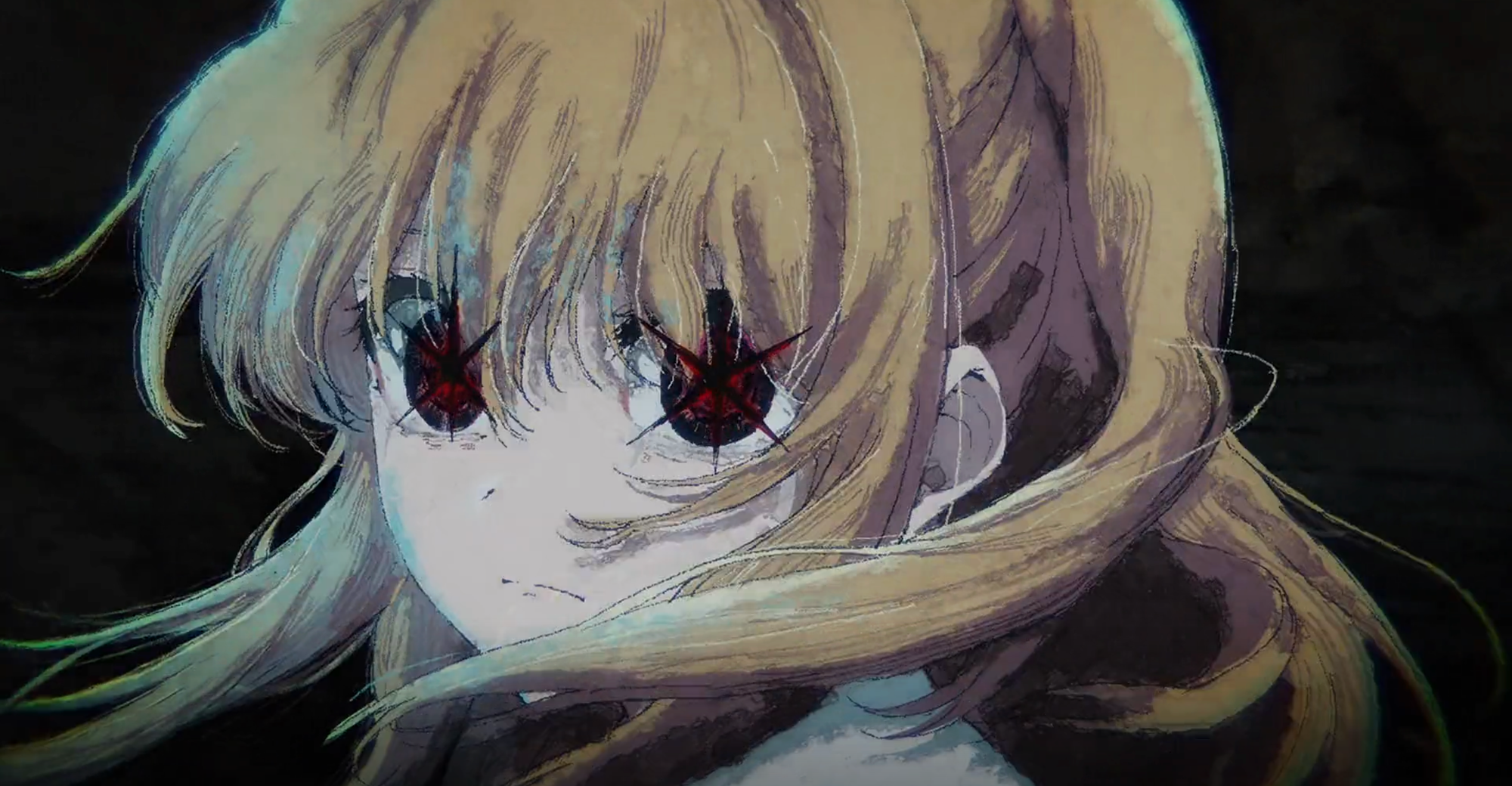
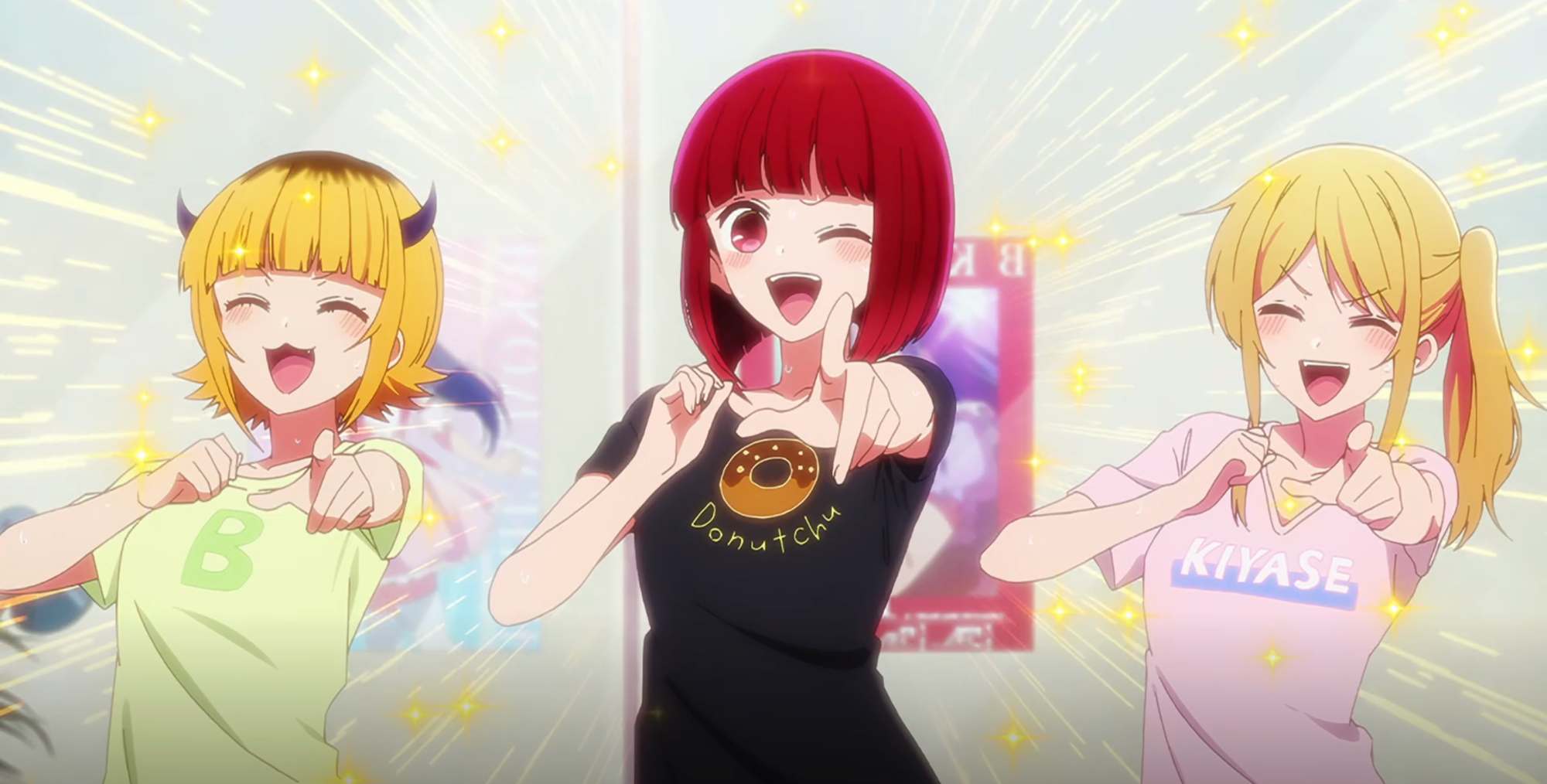
Despite B-Komachi making great strides in the entertainment industry, it appears as though none of the members are truly happy. The other members of B-Komachi attribute their success to Ruby's talents, and to the public she is seen as a star. But Ruby's sudden coldness is visible to the group, she has a secret she cannot disclose. Dissatisfaction in B-Komachi is likely caused by relational issues. People are generally happier, and feel more positively when their relationships are authentic [4], and because quality relationships are based on mutuality and understanding, emotional distance and avoidance can be consequential of secrecy [5]. Connection is crucial for healthy relationships, however Ruby is emotionally disconnected from B-Komachi. The heightened negativity experienced between the members of B-Komachi, could be attributed to the isolation and interpersonal neglect–among other factors–stemming from Ruby's pursuit of revenge.
Ruby's revenge story has also lead her towards using other people. Her actions are impactful not only within B-Komachi, but also in the wider entertainment industry. The best example of this is seen in episode three of season three. Ruby has leveraged her position as Aqua's sister, to get a role in the same television show as him. In this role, she was able to mastermind a large media controversy in which the company faced massive back lash. Her plan was this: create a problem, then offer a solution. By offering a solution she achieved influence over the director and increased her standing in the entertainment industry. Ruby's instability and carelessness was shown to be quite destructive on multiple levels. Firstly, she used her brothers company to elicit media controversy, careless manipulation that could affect their relationship. Her manipulation lead to events that hurt major contributors, jeopardised public image, and developed mistrust among fans. All off which has relational consequences as well as threatens job security within the company.
Oshi no Ko has failed to show us any positive outcomes of revenge. In their pursuit, there have been psychological, emotional, relational, and economical consequences, further confirming the problematic nature of revenge. So what if we focused on healing instead?
What If We Healed?
Revenge hurts everybody involved, and the impacts are widespread. Research has shown that the satisfaction gained from revenge oftentimes, is temporary, prolongs unpleasant feelings, and maintains aggression in avengers [6]. On the contrary, acceptance-related processes such as forgiveness, have a wide range of positive outcomes including: alleviating anger and frustration, improved self-esteem, and lower depression [7]. We have already seen that Aqua is capable of healing and that there was an positive effect on his character overall. If Aqua and Ruby focused on healing and abandoned their need for revenge, it would be entirely possible for them to develop genuine, healthy relationships, and live fulfilling lives.
Now, I am not naive enough to say that Oshi no Ko, a work of fiction, should be viewed as absolute truth. Nor would I be so patronising to suggest that people are wrong to think about revenge. Our feelings are legitimate and cannot be summarised by one anime series. But I do believe this: sometimes there is truth in fiction. And it is ultimately for us to decide if the lessons are worth learning from.
The End.
This concludes my article about revenge. Using the story of Aqua and Ruby, the point I wanted to articulate is that sometimes we are wronged in life. On the surface, naturally we want to 'get back' at whoever has wronged us. But deeper down, it could be a fruitless endeavour that causes more harm than good. If this article has achieved one thing today, I hope it is the change in perspective we have on revenge.
I hope that you enjoyed reading, below I have included a poll. I am curious about what my readers would choose if you were in Aqua and Ruby's shoes. I'd also love to hear your thoughts and opinions on the subject, so please, leave a comment!